Vulnerability Assessment
Vulnerabilty Assessment and Penetration Testing - VAPT
 Updated on Oct, 2026
 Language - English
AI Assistant

Lectures -7
Duration -1.5 hours
Lifetime Access

Lifetime Access
30-days Money-Back Guarantee
Get your team access to 10000+ top Tutorials Point courses anytime, anywhere.
Course Description
Security vulnerabilities allow malicious actors to exploit an organization’s applications and systems, so it is essential to identify and respond to them before attackers can exploit them. Comprehensive vulnerability assessments, combined with a risk management strategy, are a critical part of an organization’s security management.
A vulnerability assessment provides vital insight to understand the risks to an organization’s computing environment. The organization can then respond to vulnerabilities based on their priority level.
An effective assessment process involves determining the risk that different vulnerabilities pose to an organization. Typically, this process involves using automated tools such as security scanners. Vulnerability assessment reports should record the results produced by these testing and scanning tools.
In this Vulnerability Assessment course, the following tools were used:
- Rapid7 InsightAppSec
- Rapid7 InsightVM
- Acunetix Scanner
- Testing. Vulnerability testing requires a comprehensive list of known vulnerabilities. The security team examines server, application, and system security to identify whether any vulnerabilities are present and checks that they don’t expose your codebase, your system, and your organization to new risks.
- Analysis. Security analysts identify the source of each vulnerability by scanning the organization’s system components to detect the creation of anomalies or flaws within the codebase.
- Risk assessment. This involves prioritizing vulnerabilities. You determine the risk level of each vulnerability according to how it could or does impact your system, your data, and business functions. There are many vulnerabilities that have little or no impact, while others are potentially very damaging. It’s important to assess which represent the largest and most serious threats so that you can prioritize their remediation rather than wasting time on low- or no-threat flaws.
- Remediation. Remediating high-priority vulnerabilities involves fixing the most important potential security faults. Development, operations, and security teams collaborate to determine how they can mitigate threats and remediate vulnerabilities. This phase involves updating configurations and operations to implement vulnerability patches.
Goals
By the end of this course, students will:
Understand the principles and processes of vulnerability assessment.
Identify, analyze, and prioritize security vulnerabilities.
Configure and manage Rapid7 InsightAppSec for web application security testing.
Configure and manage Rapid7 InsightVM for network and system vulnerability management.
Configure and operate Acunetix Vulnerability Scanner for web vulnerability scanning.
Generate professional vulnerability assessment reports with actionable remediation recommendations.
Prerequisites
- Basic Networking Knowledge
- Basic Cybersecurity Knowledge

Curriculum
Check out the detailed breakdown of what’s inside the course
Web Application VAPT using Rapid7
2 Lectures
-
 Web Application Scanning
13:47
13:47
Web Application Scanning
13:47
13:47
-
Web App Scan Reports
12:52
12:52
VAPT using Acunetix
2 Lectures

Network VAPT using Rapid7 InsightVM
3 Lectures
Instructor Details

Johnpaul Chukwujekwu
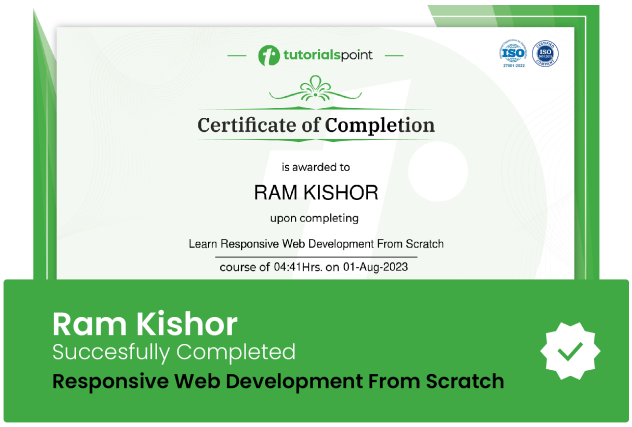
Course Certificate
Use your certificate to make a career change or to advance in your current career.
Our students work
with the Best

















Related Video Courses
View MoreAnnual Membership
Become a valued member of Tutorials Point and enjoy unlimited access to our vast library of top-rated Video Courses
Subscribe now
Online Certifications
Master prominent technologies at full length and become a valued certified professional.
Explore Now